Blog

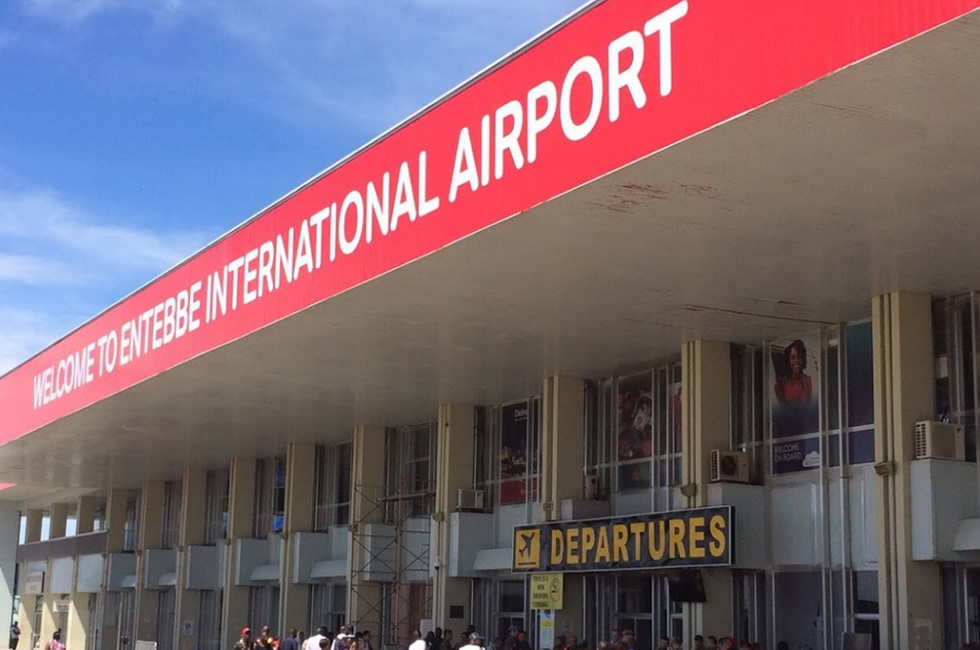
  • Uganda Drops Requirement for COVID-19 Certificate at the Entebbe Airport

    Uganda Drops Requirement for COVID-19 Certificate at the Entebbe Airport

    The Uganda Civil Aviation Authority has announced that it is no longer a requirement for passengers through Entebbe airport to present COVID – 19 certificates.
    The entity’s Public Relations Officer Vianney Luggya says the requirement was dropped on March 7,2023 and warns passengers not be duped.
    Luggya said in a tweet that departing passengers whose country of destination require the CPR certificates will be asked to present them but no longer a general requirement.

    Passengers through Entebbe International Airport are reminded that the requirement for COVID-19 certificates for arriving passengers was dropped (no longer relevant), effective March 7, 2023. For departing passengers, it is only applied when the destination country requires it.

    — Vianney M. Luggya (@UCAA_Spokesman) March 23, 2023

    Management has been tightening handling systems at the airport in response to public outcry that some staff at the airport were asking for bribes in handling unsuspecting passengers.
    The Civil Aviation Authority has reported growth in number of persons coming to Uganda and an impressive growth in cargo such as exports through Entebbe airport.
    This is good news to the country’s tourism industry and economic development.

  • Travel Tips for Europe Travelers

    Ryan Danz of Amazing Race 21 recently spent nearly a month in Europe going hither and yon, beginning with his Running of the Bulls in Spain. He’s being gracious enough to share with our readers more of his trip.

    Ryan Danz – The infamous five (“Cinque”) fishing villages (“Terre”) adorning the Italian coast is no longer Italy’s best kept secret since the early 1990’s. The past two decades has left the hiking trails connecting the villages well-traveled and the trademark homes and buildings well photographed. But after devastating mudslides in 2011 to the villages of Monterosso and Vernazza and near total destruction of the coastline and its inhabitants, the settlements and its trademark views are almost back to their eye-popping colorful, quaint, picturesque selves. Almost.

    The devastation that took place was ruinous. Shops, hotels and homes were blown out with sludge. Debris filled first floors to the roofs and more generally nothing survived in the path of the slide.

    Today, along the infamous hiking trail connecting Monterosso and Vernazza villages, remnants of that demolition still exist. In fact, the trail from Corniglia to Manarola remains closed and requires a two and a half hour detour to the high road. The path from villages Manarola to Riomaggiore, while open, is likely to close even under threat of bad weather as what happened to me in July 2013. If walking uphill and downhill on dirt paths, aka hiking, is not your thing, a regional train that runs frequently connects all five villages.

    The towns, Monterosso, Vernazza, Corniglia, Manarola and Riomaggiore each offer something unique even though from the untrained eye, one could almost be easily mistaken for another.

    Monterosso: The largest village of the five, it offers plentiful beach access with multiple private beach set-ups (your own chair, brightly colored umbrella and piece of sandy real estate). Along the main thoroughfare, just below the train tracks, there are more than a handful of cafes, restaurants, tchotchke shops and gelato stands. In addition to the many eating, shopping and beach options, Monterosso is also the stop for many trains making their way into Cinque Terre from neighboring countries and as such the crowds can become a bit overwhelming. If you’re looking for nightlife as well, then Monterosso is your only real option.

    Tip 1: While Monterosso’s size, numerous beaches and tourist friendly establishments are accommodating and intriguing, those same factors can be negatives for those seeking the more hidden-gem type destination. This is Cinque Terre’s allure and it’s only found in part here. Absolutely make Monterosso a stop on your visit, but there are better options to succumbing to a fairy tale hamlet.

    Vernazza: Smaller than Monterosso, and just a few clicks (kilometers) away, Vernazza has a flavor all its own. At the end of its one main street running through town, rests a handful of restaurants and shops all vying for your attention, but never in your face. Vernazza’s seascape is legendary and while it does not offer the beach access Monterosso’s does, you can do worse than laying a towel on a flat rock just above the sea’s spray under the church and slipping in for a fresh dip.

    Tip 2: Hiking through the five villages is no easy feat. Depending on your route of travel, should you opt for starting in Monterosso and ending in Riomaggiore, be ready to face a long, steep set of stairs on your first leg (Monterosso to Vernazza) that ascends from the sea to the heavens in an hour plus long climb. The total hike time is just over one hour and thirty minutes (between Monterosso/Vernazza), with much of that ascending. The lookouts are spectacular, the paths are narrow and your fellow hikers, regardless of their country’s origins will feel a certain immediate bond with you. Use this as my recommendation to finish, not start your hike in Monterosso.

    Corniglia: Where Monterosso is commercialized and Vernazza popular, Corniglia is quaint, quiet and exceptional. Set up higher on the cliffs than the other villages and perhaps a less than ideal place to enjoy the sea at the foot of the village’s cliffs, Corniglia can still take your break away. With fewer homes and an even smaller shopping and tourist center, Corniglia is the smallest of the five villages. It also has the least dedicated entry point to the sea.

    Tip 3: Tucked away just off the main square, find the Terra Rosa restaurant. Proprietor sisters Eliana and Sabrina have touched the divine with their simple yet majestically appointed café. Just beyond the walk up counter there is a sitting area, its roof composed of local leaves and branches, peering out over the village and the Mediterranean Sea below. Glass mason jar like bottles hang from above, filled with liquid colors of love and adventure. Diminutive lantern lights weave throughout and the blackboard menus, affixed to the lone stone wall, layout perfectly your breakfast and lunch options. I recommend the Insalata Caprese with tuna and an iced coffee. Let Elaina or Sabrina know that Ryan with the green bandana has sent you and be sure to ask for a small bottle of their homemade pesto sauce on the way out.  It’s the best I’ve ever had.

    Manarola: The sexiest and most romantic of the five villages, with restaurants and lookouts over the protected inlet, Manarola is truly a heavenly place. The setting of the town will quite literally take your breath away, even if just for a moment. With a single dedicated street from the top of the village to the sea, this town has something that can almost not be put into words. So I won’t even try. I think this picture speaks for itself.

    Tip 4: For its value more than its location (you will hike approximately 10 minutes up a fairly steep street) the Pensione Da Baranin is a charming, apartment-like property. Included in its nightly fee is the most delicious, wholesome breakfast complete with fresh melon, croissants, cheeses, cereals and the best cup of espresso you’ve ever had. Beyond the delectableness however is the outdoor patio set seating, made up of fine teak furniture and a view of the steep hillside vineyards. Eat early enough and enjoy watching the local farmers tending to their crops. No words.

    Riomaggiore: A strong sense of the working-life exists here, more so than any of the other villages. The sea-life, fishing, scuba, and the marine life it encompasses seem to permeate this small village by way of its shops, artwork and delicacy.

    Tip 5: Monterosso, Vernazza and Manarola all extend excellent places to dip into the sea or find a flat rock to enjoy the Tuscan sun. Riomaggiore’s cordoned off inlet is replete with boats and fishing poles and nets. If you take the stairs, just above the boat launch ramp, look for a single open door and inside a glass case. In it you will find the best gelato of any of the five villages. You’re welcome.

    Rick Steves, the well-known travel guru, deserves much of the credit (or blame) for Cinque Terre’s meteoric rise in popularity after his experience there was captured in an article around this time.
  • Can You Self-drive in Kenya

    Can You Self-drive in Kenya

    We believe that driving yourself at your own pace is the best way for a true Kenya safari adventure. If you are looking to hire a car in Kenya to explore this beautiful country, you have come to the right place!

    Our fleet consists of Toyota Land cruisers with rooftop tents and Toyota Land cruisers with pop up roof. We own all our rental cars and never subcontract from third parties.

    Kenya has so much more to offer than the beaten path, and we can help you plan your routes carefully so you don’t miss out on the best spots. We love this country and have a lot of tips to share to help you get the most out of your ultimate safari in Kenya!

    Is Kenya Safe for Self Drive?

    Kenya has had its own horrible past reputation. Because of its past, most Kenya safari travelers opted for structured safaris arranged from their home countries but today, the story is different. Kenya is one of the very few safest and most accessible destinations in Africa, the easiest place to explore and experience even as a solo traveler.

    Whereas Kenya is considerably the safest destination compared to other African states, cases of crime in the main cities/towns usually occur. Also, it is important to crosscheck with travel advisories on the current state of the country.

    Most often, visitors attract the unwanted attention from beggars or potential pickpockets and you should be keen enough while on the streets of Nairobi or other towns in Kenya.

    How a self-drive tour in Kenya can be done

    Getting to Kenya for self-drive

    Solo travelers can fly up to Nairobi, the Capital of Kenya a beautiful city with a National Park set adjacent to it. From Nairobi, there are many airlines offering connecting flights between most cities or safari destinations of Kenya whether you want to visit Masai Mara National Reserve for wildebeest migration.

    The most sought for means that most budgets minded travelers often opt for is self-drive car hire in Kenya. We have the best 4×4 rental cars suitable for all road trips to Nairobi National Park, Masai Mara or Tsavo National parks.

    Our fleet of rental cars for your Kenya road trips includes among others 4×4 Toyota Rav4, Land Cruiser Hardtop Extended, Safari Land Cruisers, Vans, Land Cruiser GX Diesel Engine, a Camper Vehicle with camping gear to Toyota Land Cruiser V8 Safari Vehicle and Landcruiser V8 petrol engine.

    Where to go for Kenya self-drive tour

    Kenya boasts of about 54 National Parks and Reserves and noted for its remarkable self-drive experiences. Some of the best places not to miss visiting for unforgettable self-drive experience in Kenya include the Masai Mara National Reserve most visited for wildebeest migration experience, big five game viewing etc.

    Amboseli National Park, most popular for its large herds of elephants and mesmerizing views of the Kilimanjaro Mountains-snow-capped Mountain. Tsavo National Parks-Tsavo East, Tsavo West also offer the best of Kenya self-drive safari experience in Kenya.

    Samburu National Reserve, a perfect semi-desert reserve set along the Northern side of Kenya. Ewaso Ngiro is the largest river in Kenya and it flows via the Samburu National Reserve. The protected area boasts of its significant wildlife species including cheetahs, elephants, leopards, lions, wild dog etc.

    For unique experiences, don’t miss to visit Aberdares National Park in the western side of Mount Kenya. Chyulu Hills set between Tsavo and Amboseli National Parks, Kimana Sanctuary and others.

    Be aware of the weather

    While on self-drive Kenya, weather conditions are key to take note of. In Kenya, the weather is largely temperate with Nairobi often experiencing cool weather conditions and temperature rise of 28 degrees celsius from the months of January, February, and March during the day and at night 14 degrees celsius especially from July to August.

    However, Kenya is an all year round self-drive destination except the wetter/rainy months of the year. That is April, May, June and October, November when roads can be muddy.

    How Much Does it Cost to Hire a Car in Kenya?

    If you are planning to drive around Kenya but not on safari, then you don’t need a 4×4. Driving from Nairobi to Nanyuki, Kisumu, or Mombasa is easily done in a 2 wheel drive car, as are trips along the coast saying from Diani to Watamu or Mombasa to Malindi.

    How to Travel in Kenya

    The roads in Kenya are fine. That’s an appropriate middle of the road (excuse the pun) term to describe them. Most main roads between cities are paved and pothole-free. The roads in Nairobi are paved with plentiful potholes, and in the bush, the roads are dirt tracks. If you are going on safari, you heed a 4×4 no hesitation.

    By travelling independently, you give back to the communities in Kenya. Choosing local guides, staying in Airbnb’s, taking public transport where possible, these are all ways in which you can support the Kenyan economy. You should consider the impact of where you stay on safari. Many lodges and camps work to support the local ecosystems and conservation in Kenya, as well as looking after their staff and people within the community. Spend some time checking out these places, rather than relying on tour companies to choose for you.


  • A Diamond-Plus Caravan Vacation, Is It Worth It?

    As you know by now, 2020 cancelled all of our travel plans in terms of travelling abroad. So I’m going to share my experience with caravan holidays in the UK coastal destination that me and my family have been visiting over the years called Clacton-On-Sea. Out of the various caravan sites in Clacton, we particularly like St Osyth due to the location and quality of caravans to book. BUT! This time we did not just book any caravan holiday, we booked a diamond plus caravan holiday (Now I hope that you’re reading this in that seductive M&S food advert tone).

    Now, you may be thinking of that dreaded caravan club episode from The Inbetweeners. But trust me, you can make caravan holidays just as worthwhile as staying in a hotel abroad.

    However, it all depends on where you book and which caravan you stay in. Because there are many pesky pet peeves when it comes to caravan holidays ranging from damp, flimsy showers and dodgy old cooking equipment that has been used over the years which always burn your breakfast. – People who are familiar with caravans should know! There’s always that one faulty pan that burns everything even while cooking on the lowest heat.

    Diamond Plus Caravan Ranking & Others Briefly Explained:

    Now since that we wanted to make this trip special, we decided “boujee up” our stay and book a diamond-plus rated caravan. If you’re not familiar with caravan holidays, there’s a ranking/rating system which determine the quality of your stay and value for money. For instance, many caravan sites offer bronze to gold standard caravans – Bronze being the most basic ranking and gold being the highest. However, you may also come across other higher rankings such as ruby, emerald and diamond etc.

    Having decided to book a diamond-plus is a big change. So here’s my detailed review and breakdown of whether they’re worth the extra price tag!

    A Guided Diamond Plus Caravan Tour…

    Living Area & Front Decking

    Many new caravans have the new addition of having a decking area – Which is a blessing in sunny weather. You’re blissfully greeted by a sleek and modern decor, double glazing and spanking new furnishings – As opposed to a dated 70s style decor which a large chunk of caravans still have. The slide doors add a lot of light and airiness (since caravans can easily get hot and stuffy) while the spotlights add a cosy hue at night. This diamond plus caravans decking and living area is absolutely amazing for adding serenity to morning and evening chill out sessions right by the sea.

    Oh! And did I forget to mention? Some diamond plus caravans allow pets like this one. So my pug enjoyed a few chill out sessions too!

    Kitchen & Dining Area

    Once you walk into the kitchen and dining area, its easy to fool yourself into thinking that you’re looking around the IKEA showroom or a fancy kitchen exhibition. Everything is fitted and slotted in perfectly along with stunning spotlights which cosy up the place when dusk comes.

    Plus, there’s a top of the range American style fridge freezer with an ice dispenser along with all the cutlery, pots, pans, cups, plates and condiments that you need. Essentially this diamond plus caravan has a ton of little touches to make it as modern, comfortable and convenient as possible.

    Also don’t forget to see my good old English fry up at the end of the slideshow (without burnt bacon and sausages, yay!). Oh, and theres the perfect necessities included to make plenty of tea, which I can confirm that British people cannot function without.

    Bathrooms

    This diamond plus caravan had two bathrooms, one main bathroom and one bedroom ensuite bathroom. What got me really pumped was the bath. That’s right, a caravan with an actual bath!

    Both bathrooms were clean, crisp, airy and stylish. In fact, they reminded me a lot of those hotel bathrooms, all I needed was a fresh, starchy hotel bath robe to complete the mood. But unfortunately, towels and blanket sheets (and robes!) aren’t included so you have two bring your own. Also, what I loved was the fact that I did not have to put up with any grotty/dodgy showers like I did with other caravans.

    Bedrooms

    This caravan has one twin bedroom with single beds and one double bedroom with an ensuite bathroom and a light up walk-in closet. Both bedrooms as equally as neutral in terms of decor and colours. All whilst being stylish, fresh and cosy at the same time. The bedrooms (including the mattresses! which are awful in a large chunk of caravan holidays!) were insanely comfortable and had extra blankets and heaters plugged in. Also not to mention that the caravan has central heating and keeps incredibly toasty and warm!

    Location, Nearby Amenities & Transport

    First thing is first, its always good to know your way around before you get there, especially if you don’t drive. So I have included a map with some nifty little details of St Osyth Holiday park and what’s nearby…

    How To Get There & The Cheapest Ticket Rates

    We booked our tickets via Omio who are very reasonable. If you’re travelling from London, a lot of the main trains that go to Clacton-on-sea Station depart from Liverpool Street. Overall, the journey takes around an hour and a half. Despite the length, its actually quite pleasant and straight forward since it is a direct train. Plus, the train journey would be right up your street if you love countryside views!

    As for ticket prices, you’re looking at around £25 without returns and an additional £18.50 for returns.

    The Nearest Shops & Food Stops

    Alright. Let’s face it, you’re pretty cut off here since there aren’t any major big supermarkets, so you’ll need to travel or drive out for these. But there are some handy little shops around St Osyth AND a weekly Sunday market. On the other hand, I’d avoid the main shop at St Osyth’s holiday park itself since there isn’t much choice and due to them not being open often. So I’d recommend taking the extra walk and soaking in the sea views to the neighboring holiday park Hutleys!

  • Conserving Our one-of-a-kind Country

    South Africa has a remarkable wealth of biodiversity, thanks to a stunning array of ecosystems ranging from Big Five bushveld to species-rich deserts, fertile forests, vast grasslands, the unrivalled Cape Floral Kingdom and 2 500 km of coastline. The incredible number of different habitats allows for an immensely rich variety of fauna and flora. We have 299 mammal species, over 2 100 fish species, 858 bird species and 10% of the entire world’s flowering plant species.

    The country is lauded worldwide for its efforts to conserve this incredible natural heritage through the creation of protected areas by both government and the private sector. Residents and tourists alike have the option to visit one of 19 national parks, 16 national botanical gardens, countless public and private nature reserves and World Heritage Sites such as the iSimangaliso Wetland Park and the uKhahlamba/Drakensberg Park.

    We are undoubtedly one of the most environmentally aware countries on earth. In addition to (mostly) well managed state authorities like South African National Parks (SANParks) and provincial tourism agencies, there are literally hundreds of NGOs and non-profit organisations dedicated to the protection of our wildlife. Some fight for the conservation of the largest animals such as whale sharks, whilst others fight to protect the tiniest and least glamorous, such as the dung beetles in the Addo Elephant National Park.

    The vital roles played by all these organisations and the people within them are made more and more difficult every year. Rapidly expanding development, pollution of our scarce water sources, global warming and of course, rampant poaching, are just some of the factors intensifying their impacts on our natural environment. Unfortunately, most of these factors appear to be on an unstoppable path. Perhaps we can take solace in miraculous success stories, such as the human-driven recovery of the white rhino from a population of just 40 in 1894, to more than 20 000 today. We can only hope that similar efforts will be put into ensuring that our greatest wilderness areas remain great.

  • Tanzania is Ready for a Brand New Year

    With more than a quarter of its landmass set aside for conservation purposes, it is no wonder that when someone mentions “Tanzania,” visions of extraordinary wildlife, safaris and even impoverished communities come to mind. But a new perspective on Tanzania will take shape in 2017 as many believe the future in travel lies in creative thinking. As people are traveling more and looking for new ways to experience the world on a more personal level, Tanzania is the destination of the future. Here are three events taking place in 2017 that will put Tanzania back on the map for future travelers.

    Sauti za Buzara  | Zanzibar

    Feb 9-12th, 2017

    Photo taken by Peter Stanley

    This is a music festival featuring more than 400 artists (40 groups) performing live on three stages in the historical old city of Zanzibar. This festival is highly recommended for those who love cultural immersion at full speed. We guarantee you will be on your feet dancing or listening carefully to beats, breathtaking voices and languages from different parts of the continent. Artists featured will be coming from Ethiopia, Cameroon, Nigeria, Europe, Ghana, Mozambique, Rwanda, Burundi, Kenya, Seychelles, Morocco, Somaliland and of focus Tanzania.

    This festival is a great escape for those who live in the cold countries. A quick six night getaway to the sounds of African drums. We bet your doctor can prescribe it to you and don’t be surprised to see him/her in Zanzibar.

    Zanzibar International Film Festival (ZIFF)

    July 8-16th 2017

    Photo courtesy of ZIFF

    ZIFF is known as the largest multi-disciplinary art and cultural festival in Africa dedicated to the exhibition of films, music and artistic panoramas.

    This nine day festival takes place in July each year. Bringing together people from different corners of the world to enjoy African Cinema. ZIFF is said to be marked with strong traditional customs and a rich heritage of culture with music, traditional dances, and arts and crafts woven throughout. As it takes a village to raise child, this festival requires many villages; it is not only held in one location, but in various venues sponsored by large and small business around Zanzibar Town. Activities include, historical cultural tours, local dining, relaxing on the beach, various workshops, charity events, nightlife, street carnivals, fairs, canoe races, and a bullfight from Pemba.

    The Festival theme for this year is “Finding Joy,” and it will be one to remember as ZIFF will be celebrating its 20th anniversary. For the organization, the 20th year mark has been the backbone of many filmmakers, artists and people alike.

    TED Global 2017

    August 27-30th, 2017 | Arusha

    After a decade, TED Global will be returning to Africa and you bet it is going to be in Northern Tanzania, home to one of the seven natural wonders in Africa, the Serengeti plains and the 8th wonder of the world, the Ngorongoro crater.

    TED (Technology, Entertainment, Design) is a global set of conferences that highlight experts in their field and various topics. This year’s theme: “Builders. Truth-Tellers. Catalysts.” The conference will bring together an incredible group of speakers, dreamers and doers, technologists and entrepreneurs, business leaders and creatives all around the globe to discuss the future of africa and the world.

    According to TED Global, bringing back the event to the continent is thought as a reignition of the historical sparks from previous event. This time TED Global looks to invite anyone passionate about the future of Africa, and the future of the world to come and be part of something special.

    Activities include: Pre-conference Safari game drives, tours, kickoff cocktail reception, three days of TED Talk session, workshops, outdoor activities and networking. Get more info: https://tedglobal2017.ted.com/?tedtg

    Travel with Curious on Tanzania in 2017

    Curious on Tanzania has front row seats! For those who are interested in participating, email them at info@curiousontanzania.com. Check out upcoming trips:  www.curiousontanzania.com/upcoming-trips