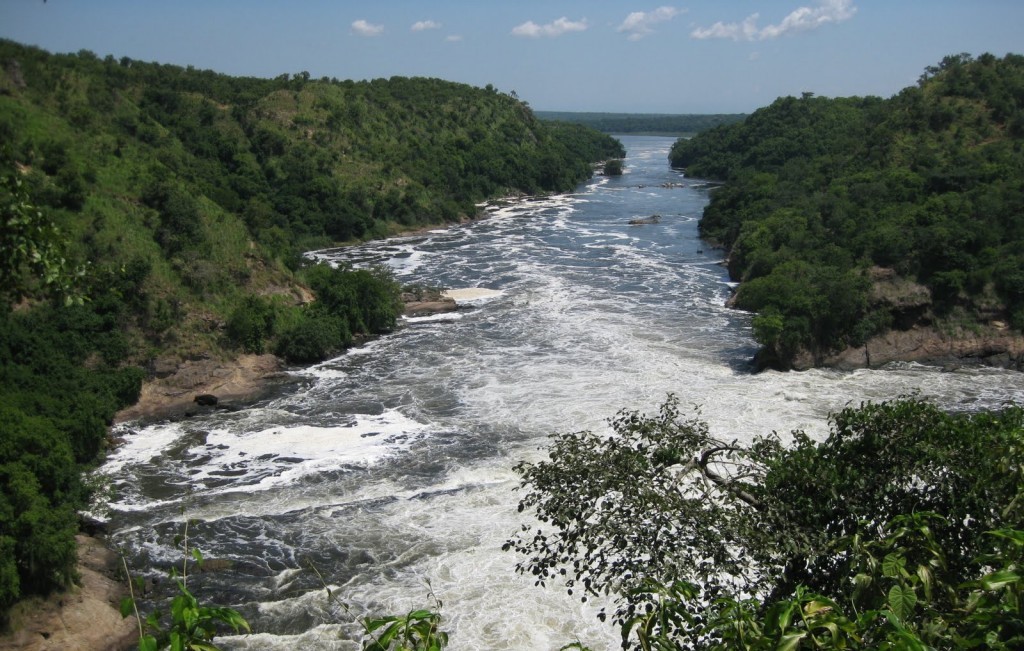
For much of the early 20th century, the Murchison Falls National Park stood as one of the most celebrated wildlife destinations on the African continent. Its fame was woven from the drama of the Nile forcing itself through a narrow seven-metre gorge, the thunder of the cascading falls, and the richness of wildlife that once carpeted the surrounding savannah. To early travelers, scientists, and adventurers, the Murchison Falls National Park represented the raw, untamed essence of Africa’s natural beauty. Although the park would later endure periods of hardship and ecological collapse, its revival today stands as one of the most inspiring conservation stories in East Africa.
Early Explorers and Global Attention
Long before modern tourism took root, the Murchison Falls were already attracting global attention. Historic accounts describe journeys by explorers, statesmen, and adventurers who travelled through the Nile Corridor and into what was then one of Africa’s most wildlife-rich landscapes. In 1909, Theodore Roosevelt famously arrived in Uganda as part of an extended East African expedition, documenting wildlife and landscapes that had barely been described outside scientific circles. Even before Roosevelt’s expedition, Winston Churchill traveled through the region, famously cycling, boating, and hiking his way to the falls. His writings further introduced the world to the beauty and abundance of Uganda’s natural world.
Royal Visits and Dramatic Anecdotes
Members of the British royal family also made journeys to the area during its early decades of fame, entrenching its status as a premier safari destination. Edward VII, then Prince of Wales, visited in 1930, and the Queen Mother followed in 1959. But perhaps the most dramatic historical anecdote associated with Murchison Falls is the ordeal of Ernest Hemingway in 1954. The celebrated American author survived not one but two plane crashes in the region. After an initial crash while flying over the falls, the rescue aircraft also crashed on takeoff. Both Hemingway and his wife survived the incidents, though badly injured. During his recovery, he was said to have read his own obituary in a newspaper—a bizarre and memorable chapter in the park’s colorful history.
Hollywood Spotlight: The African Queen
Beyond these early explorers and dignitaries, Hollywood also played a transformative role in bringing Murchison Falls to international attention. The 1951 film The African Queen, starring Humphrey Bogart and Katharine Hepburn, was filmed partly in the region. While the film’s stars became global icons, the dramatic scenery of the Nile, the papyrus-lined shores, and the wildlife-filled landscapes were widely recognised as the film’s third protagonist. For viewers worldwide, it was the first time Murchison Falls appeared on screen—and it instantly became a place of cinematic mythology.
The Golden Era of Wildlife Tourism
By the time tourism reached its mid-century boom, Murchison Falls had become the most visited national park in all of Africa. Wildlife numbers were astonishingly high. Elephant herds were vast, buffalo moved across the grasslands in their thousands, rhinos roamed freely, and predators were abundant. For many travelers, seeing the Big Five in a single day was not uncommon. The park was considered a paradise for both wildlife enthusiasts and photographers, and its reputation grew with every passing decade.
Decline Amid Political Turmoil
However, the park’s fortunes shifted dramatically in the latter half of the 20th century. Uganda faced prolonged periods of political instability, violent conflict, and economic collapse. During the turbulent years of civil war and the rule of Idi Amin, wildlife protection efforts deteriorated. Poaching, once limited, became widespread. Many communities, facing hardship, turned to bushmeat for survival. Organized poaching networks also targeted elephants and rhinos for ivory and horn. Within just a few decades, the park’s wildlife populations were devastated. By some estimates, 95% of the park’s elephants were wiped out, and rhinos disappeared entirely from the wild in Uganda. What had once been one of the most wildlife-rich places in Africa became a shadow of its former self. Murchison Falls National Park, once synonymous with abundance, found itself fighting for ecological survival.
Conservation and Revival Efforts
Yet, through determined conservation work, Murchison Falls has embarked on an extraordinary revival. Beginning in the 1990s, the Uganda Wildlife Authority (UWA) and several conservation partners—including the Uganda Conservation Foundation—launched extensive programmes to rebuild the park’s wildlife populations, restore damaged habitats, and strengthen anti-poaching systems. Slowly but steadily, the park began to heal.
Wildlife Recovery and the Big Five Challenge
Recent wildlife surveys show that elephant numbers have now grown to more than 2,000—a remarkable recovery given the earlier devastation. Buffalo numbers exceed 16,000, while populations of lions, leopards, hartebeests, and waterbucks have increased significantly. The park also retains one of the world’s most important populations of Rothschild’s giraffes, a species now considered endangered but thriving in Murchison Falls due to ongoing protection measures.
The rhino remains the one missing member of the Big Five. The last wild rhino in Uganda was seen in 1983. But hope is returning through the nearby Ziwa Rhino Sanctuary, where a breeding programme has expanded an initial population of six rhinos to more than 40. Experts anticipate that once numbers reach a sustainable level, reintroduction into Uganda’s national parks—including Murchison—may become a reality.
Tourism’s Resurgence and Authentic Wilderness
Tourism has also experienced a resurgence alongside wildlife recovery. Visitors now report frequent sightings of lions, elephants, giraffes, and other species during game drives. Many safari-goers note that, unlike in heavily commercialised parks elsewhere in Africa, Murchison offers a sense of wilderness and openness that feels authentically wild. Boat safaris along the Nile remain one of the park’s most iconic experiences. Travellers drift upstream toward the base of the falls, passing basking crocodiles, large pods of hippos, and elephants and antelope grazing along the shore. The riverbanks, lush with papyrus and water hyacinth, offer a serene contrast to the thunderous roar of the falls farther upstream. This combination of water, wildlife, and landscape remains one of Uganda’s signature safari moments.
Cinematic Nostalgia
Occasionally, rumors surface about remnants of The African Queen in the area—particularly claims of a surviving replica from the original filming era. While one known replica exists in Florida, speculation continues about whether the second still rests somewhere along the Nile. Whether true or not, the nostalgia underscores how deeply the park remains connected to cinematic and historical memory.
A Hopeful Future
Today, Murchison Falls National Park stands at a hopeful crossroads. Conservationists and community partners continue to work tirelessly to protect the park from poaching and environmental pressures. Many residents have come to recognize that wildlife brings long-term value—through jobs, tourism, and community development. Government initiatives aimed at increasing visitor numbers align with ongoing efforts to restore ecosystems and strengthen wildlife protection.
Though challenges remain, Murchison Falls has already defied the odds. From near-collapse to renewed vitality, the park’s story is now one of resilience, restoration, and shared commitment. Should rhinos return one day, the park may once again reclaim its full Big Five heritage—restoring a legacy that once captivated the world.
Leave a Reply